


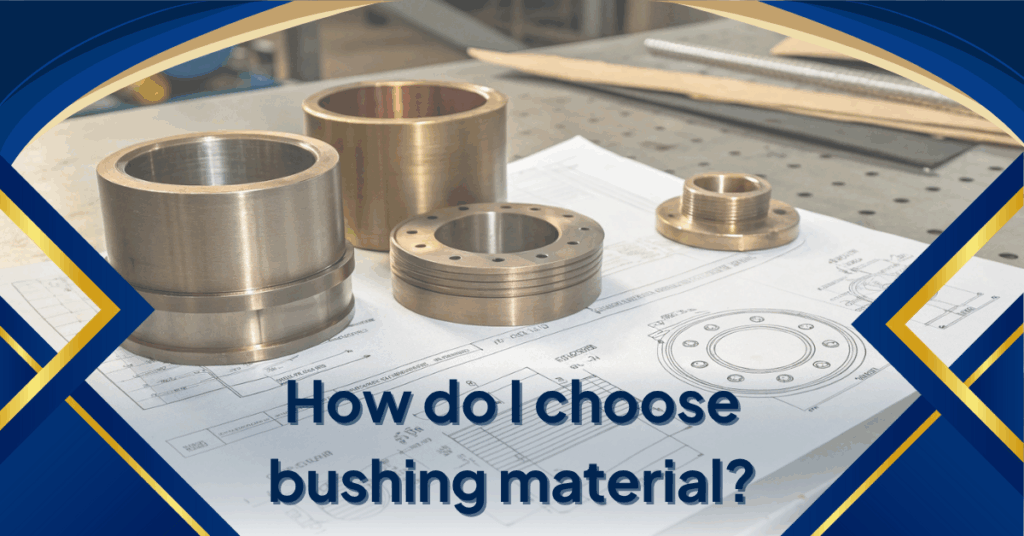
When it comes to selecting the right bushing material, the options can seem overwhelming. From different materials to varied applications, knowing which bushing is appropriate for your needs is essential for performance and longevity.
Whether you’re working with a Steel Bushing, a bushing material for a steel shaft, or another type, understanding your options is key. This guide explores the most common types of bushings, materials, and the factors to consider when choosing the perfect fit.
How many types of bushings are there?
Bushings come in many forms, each tailored to specific applications. The following are the most common types you’ll encounter:
Steel Bushing Sleeve
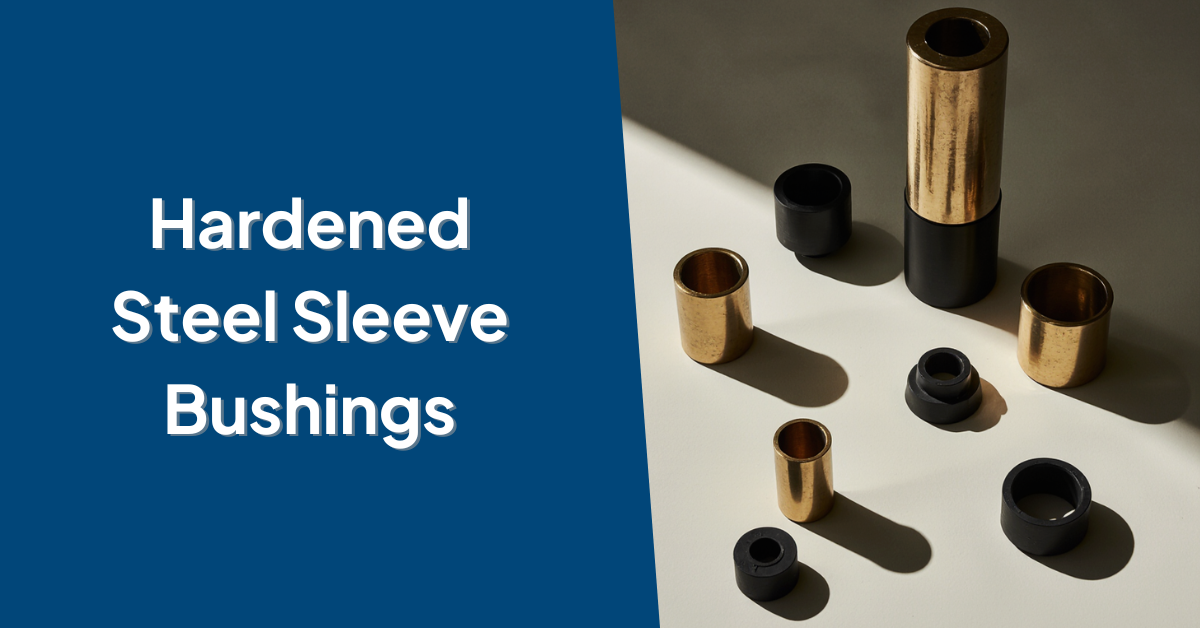
A Steel Bushing Sleeve is one of the most common types, known for its durability and strength. These bushings are often used in construction, industrial machinery, and other heavy-duty applications. Steel offers a strong foundation that withstands high loads, making it ideal for environments with high friction and wear.
Bronze bushings
Bronze bushings provide excellent wear resistance due to their hardness and ability to withstand high temperatures. They are widely used in machines that demand consistent performance under extreme conditions. Their self-lubricating features, when combined with oil or grease, make them especially popular in automotive and manufacturing industries.
What are the different types of bushing materials
Bushings are manufactured using a wide array of materials, each offering unique benefits. Some of the most commonly used materials include:
Steel
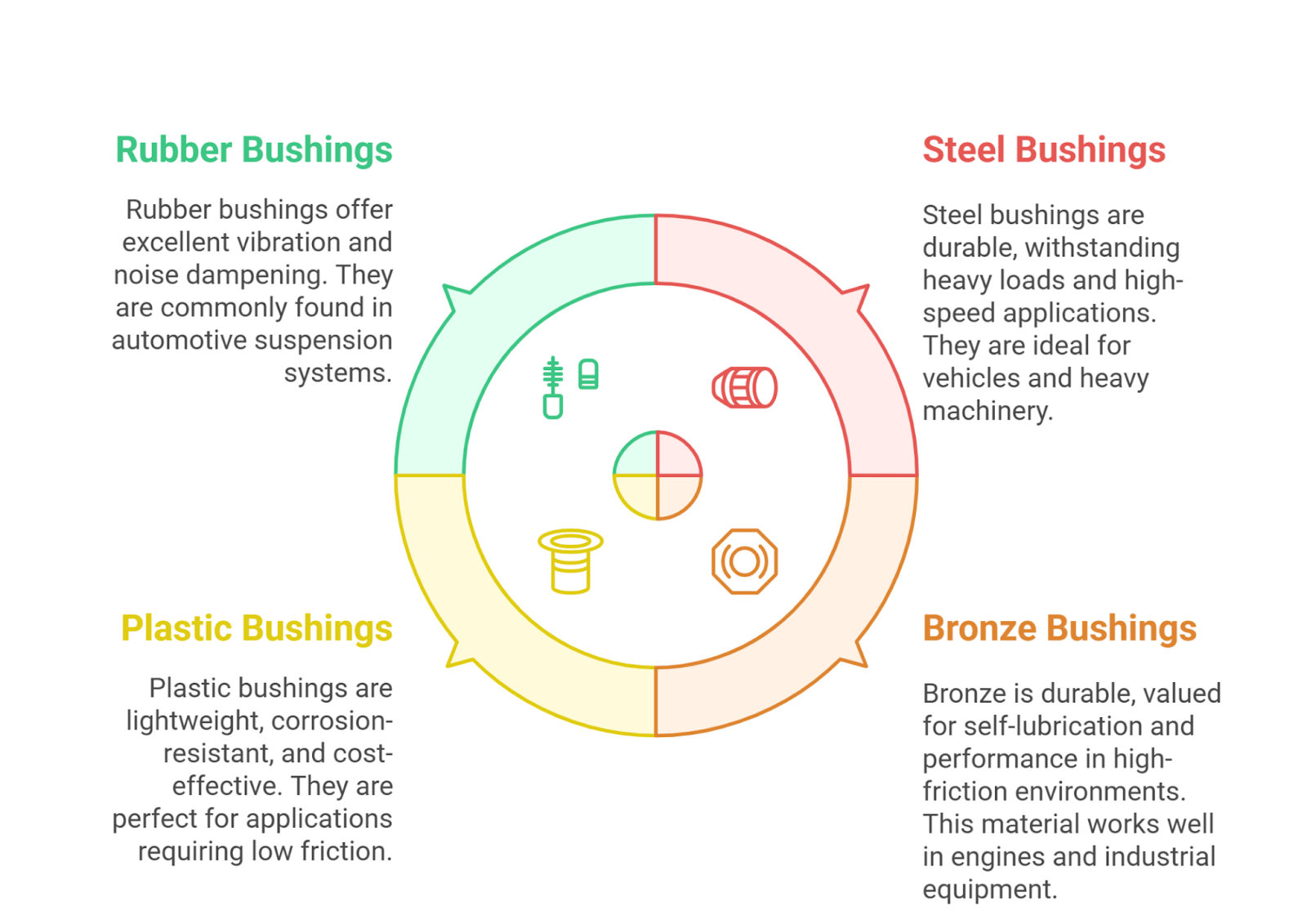
Steel bushings are highly durable, withstanding heavy loads and high-speed applications. They are ideal for use in vehicles, heavy machinery, and construction equipment, where reliability is paramount.
Bronze
Bronze is another highly durable material, valued for its self-lubricating abilities and performance in high-friction environments. This material works well in engines and industrial equipment.
Plastic
Plastic bushings are lightweight, corrosion-resistant, and cost-effective. While not as strong as steel or bronze, they are perfect for applications requiring low friction, such as household appliances or light machinery.
Rubber
Rubber bushings offer excellent vibration and noise dampening, commonly found in automotive suspension systems and industrial mounts.
Which material is best for bushings
Choosing the best material for a bushing largely depends on your specific use case. Here’s an in-depth look at the considerations involved:
What is the strongest bushing material for cars
When it comes to vehicles, the strongest bushing material is usually steel or bronze. Cars often demand bushings capable of withstanding high loads, friction, and temperature. Steel bushings excel in structural components like suspension systems, while bronze bushings are excellent in components like steering shafts where lubrication and smooth operation are vital.
Plastic bushing material for steel
A plastic bushing material for steel applications is a great choice when weight reduction, cost efficiency, or corrosion resistance is a priority. These bushings often contain composite or polymer materials that reduce friction and extend the service life of a steel shaft. Plastic bushings work well in environments where moisture exposure is a concern, as they resist rust and corrosion better than metal counterparts.
How do I choose bushing material
Choosing the right bushing material depends on several factors. Here’s what you should consider:
- Load and Stress
Assess the amount of load the bushing will support. Steel Bushing types are better for high-stress applications, while plastic works well for moderate loads. - Friction and Wear
For parts with constant motion, a self-lubricating material like bronze reduces wear and tear over time. - Environment
Consider the working environment. Is it exposed to moisture, high temperatures, or chemicals? Materials like plastic and rubber perform well in corrosive or extreme conditions, whereas steel offers strength and reliability. - Budget
While bronze bushings may be durable, they can also be costlier. For low-budget projects, plastic serves as a lightweight, economical alternative. - Lifespan
Choose materials suited to the desired longevity. Steel and bronze have longer lifespans, while rubber and plastic may require more frequent replacement.
Ultimately, your choice should align with the specifics of your project, carefully balancing performance, durability, and cost. Consider the level of performance required, the environmental conditions it will face, and your budget constraints to ensure you select the most suitable option for long-term success.
Selecting the right bushing material is crucial for achieving efficiency, durability, and cost-effectiveness in any application. Whether it’s a Steel Bushing, bushing material for steel shaft, or another type, understanding the differences in material strengths, weaknesses, and applications guides you towards the best choice.
If you’re unsure which bushing material suits your project, don’t hesitate to contact us for a consultation. For more on bushings and their uses, visit our Steel Bushing Guide.
Frequently Asked Questions
What factors should I consider when selecting bushing material?
Choosing the right bushing material for your application involves several critical factors:
- The operating environment, including humidity and potential exposure to wear, which SC Industries can help evaluate with our in-house metrology and inspection services.
- Load and stress requirements, where our extensive industry knowledge and experience over 75 years allow us to suggest the most resilient materials tailored to your specific application.
- Compatibility with lubricants and other materials—ensuring optimal performance and longevity in your specific setup, utilizing our specialized oil-grooving capabilities for custom configurations.
Why is material hardness important for bushings?
Material hardness is crucial for bushings because it directly impacts their performance and longevity. Consider the following points:
- Harder materials resist wear, extending the lifespan of the bushing.
- Proper hardness minimizes deformation under load, maintaining efficient operation.
- Optimal hardness reduces friction, enhancing energy efficiency.
- Select a hardness level that balances durability with your specific application needs for best results. Choosing the right hardness ensures reliability and efficiency in demanding environments.
How does temperature affect bushing material selection?
Temperature plays a crucial role in selecting bushing material for optimal performance:
- High temperatures can cause some materials to expand, leading to increased friction and wear.
- Low temperatures may lead to brittleness, affecting durability.
- Steel bushings are ideal for high-temperature environments due to their thermal stability and resistance to deformation.
- Consider materials like bronze for varying temperature ranges, providing flexibility and performance. For more guidance, consult our experts at SC Industries.
What is the significance of lubrication in bushing material choice?
Lubrication is crucial for the longevity of bushings:
- Some materials need regular lubrication to minimize friction, while others, like our precision hardened metal bushings, are designed to be self-lubricating; we can assist you in selecting the best option.
- Our bushings can be equipped with specialized features, such as integrated lubrication channels, to optimize performance.
- The right choice of material and lubrication method, such as our custom oil-grooving configurations, can greatly enhance both the durability and efficiency of your bushing application, which is essential when choosing bushing material.
How do load requirements affect bushing material decisions?
Load requirements significantly influence bushing material choices:
- High-load applications demand materials like steel for durability and strength.
- Consider the load's duration and frequency to ensure longevity and performance.
- Evaluate potential wear and friction; steel bushings offer excellent resistance.
- Factor in environmental conditions; steel performs well in extreme temperatures.
- Consult with engineers for precise material recommendations based on specific load scenarios. These considerations ensure optimal bushing performance and longevity.
What role does corrosion resistance play in bushing material selection?
Corrosion resistance is critical for bushings operating in harsh environments:
- Selecting materials with high corrosion resistance can significantly reduce maintenance costs and downtime; we provide a variety of options designed specifically for these challenges.
- SC Industries incorporates innovative material technologies that improve resistance to corrosive agents, ensuring longevity and performance.
- This is especially vital for applications in industries like marine or chemical processing, where environmental factors can severely impact component reliability.
Can SC Industries help with custom bushing designs?
Absolutely! Customization is one of our key strengths:
- We collaborate with clients to create bushings tailored to their specific needs, including unique dimensions and designs.
- Our advanced manufacturing techniques, such as multi-axis CNC machining and specialized oil-grooving, enable us to deliver highly specialized components.
- Our dedicated engineering team is here to support you in developing innovative solutions that improve your operational performance, helping you choose the right bushing material for your specific application.