


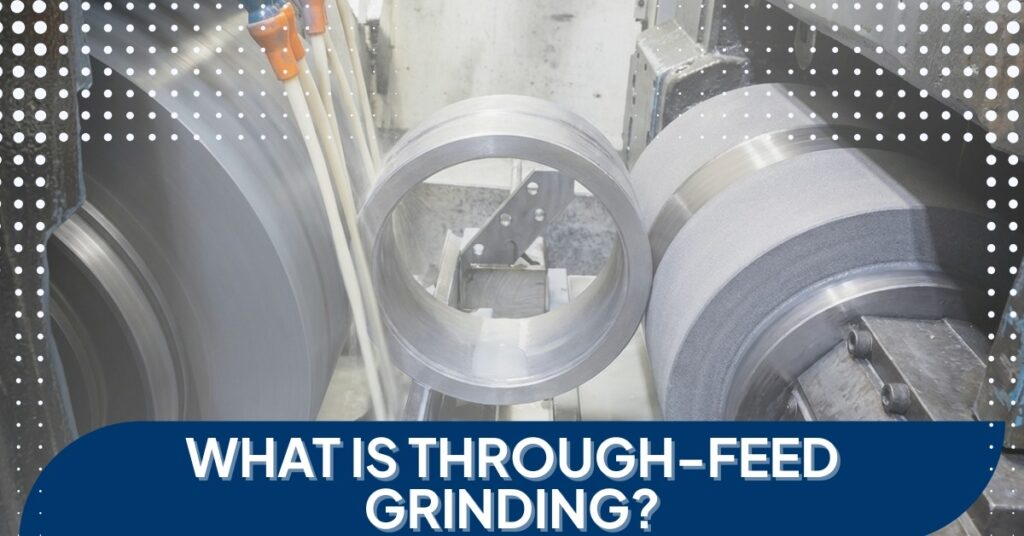
Through-feed grinding is a specialized machining technique used primarily in the manufacturing of precision cylindrical components. This method allows for the efficient processing of long, cylindrical parts, enhancing productivity while ensuring tight tolerances and superior surface finishes.
In this article, we will delve into the intricacies of through-feed grinding, its applications, and its significance in the realm of precision machining. Additionally, we will explore related concepts such as surface grinding and safety considerations when using cutting wheels.
Because this process connects directly with key surface-grinding fundamentals, it helps establish the level of flatness, uniformity, and repeatable accuracy required across industries like aerospace, automotive, and heavy equipment manufacturing.
What is the primary purpose of surface grinding?
The primary purpose of surface grinding is to achieve a high degree of flatness and finish on a workpiece. This process is essential in manufacturing, as it contributes significantly to the overall precision and quality of machined components.
The main objectives of surface grinding include:
- Achieving Flatness: Ensuring that the workpiece has a uniform surface, which is crucial for parts that must fit together accurately.
- Improving Finish Quality: Surface grinding enhances the aesthetic and functional characteristics of components by providing a smooth, polished finish.
In the context of through-feed grinding, surface grinding plays a pivotal role in ensuring that the machined parts meet the exacting standards required by industries such as aerospace, automotive, and heavy equipment manufacturing. SC Industries, Inc. leverages over 75 years of experience in producing precision hardened metal components, ensuring that every part manufactured through this process adheres to stringent quality standards.
What are the various types of surface grinding approaches that are possible?
There are several methods of surface grinding, each tailored to specific applications and workpiece geometries. Key approaches include:
- Flat Grinding: This method focuses on producing flat surfaces on rectangular or square components.
- Cylindrical Grinding: This technique is used for grinding cylindrical parts, ensuring uniformity in diameter and surface finish.
Among these methods, centerless grinding stands out as a specialized grinding process that supports through-feed operations by eliminating the need for workholding. This approach is particularly advantageous for through-feed grinding, as it allows for continuous operation and increased throughput. SC Industries, Inc. employs multi-axis CNC and centerless grinding capabilities to achieve extremely tight tolerances as low as ±0.0004″ or ±0.0005″, providing clients with high-quality components that meet demanding specifications.
Is it safe to grind with a cutting wheel?
When utilizing cutting wheels in grinding applications, safety is paramount. Proper precautions must be taken to mitigate potential risks. Key safety considerations include:
- Personal Protective Equipment (PPE): Always wear appropriate PPE, including safety glasses, gloves, and hearing protection.
- Wheel Inspection: Regularly inspect cutting wheels for signs of wear or damage before use.
- Proper Setup: Ensure that the grinding machine is configured correctly and that all components—wheel guards, rests, and fixtures—are secure.
Best practices for safe operation include:
- Maintaining a clean work environment to prevent accidents.
- Following the manufacturer’s guidelines for wheel speed and feed rates.
- Being aware of the machine’s safety features and emergency shut-off mechanisms.
What type of grinding wheel is best for aluminum?
When grinding aluminum, selecting the right grinding wheel is crucial for achieving optimal results. A Silicon Carbide grinding wheel is often recommended for aluminum because its abrasive structure cuts effectively without excessive loading.
Key advantages of using a Silicon Carbide grinding wheel for aluminum include:
- Effective Material Removal: Silicon Carbide is highly effective in cutting through aluminum, allowing for efficient material removal.
- Reduced Loading: These wheels minimize loading, which can occur when softer materials clog the wheel surface, thus maintaining cutting efficiency.
Using the appropriate grinding wheel not only enhances the quality of the finished product, but also extends the life of the grinding equipment.
Conclusion
Through-feed grinding is an essential technique in the precision machining landscape, offering significant advantages in terms of efficiency and accuracy. Understanding the various aspects of this process, including its relationship with surface grinding and safety protocols, is vital for manufacturers aiming to produce high-quality components.
For those looking to elevate their machining processes, SC Industries, Inc. provides a comprehensive range of solutions in hardened and ground bushings, bearings, and other precision components. With our ISO 9001:2015 certified quality system and a commitment to low defect rates, we ensure that every component meets the highest standards of quality and performance.
Ready to enhance your manufacturing capabilities? Discover how our precision grinding services can transform your production processes. Explore our offerings at SC Industries, Inc. or contact our engineering team to discuss your specific requirements.