


-
Industrial Thrust Bearings
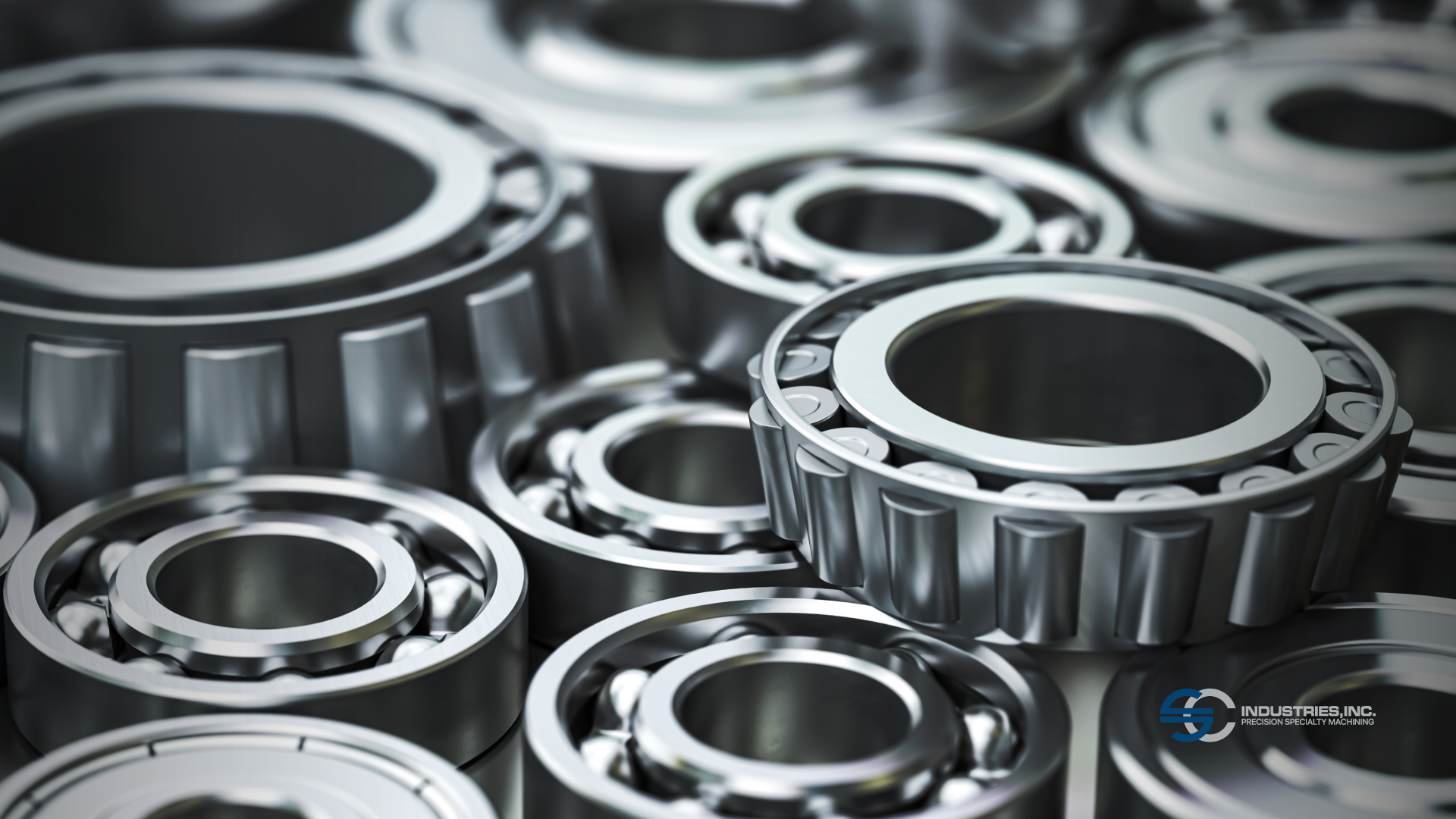
Key takeaways: Industrial thrust bearings occupy a narrow but unforgiving corner of rotating machinery: they absorb the axial forces that press along a shaft’s centerline, loads that would rapidly wreck a bearing engineered only for radial duty. Whether the load rides on a hydrodynamic oil film, a set of rolling elements, or a precision-ground plain…
-
How Custom Thrust Bearings Are Manufactured
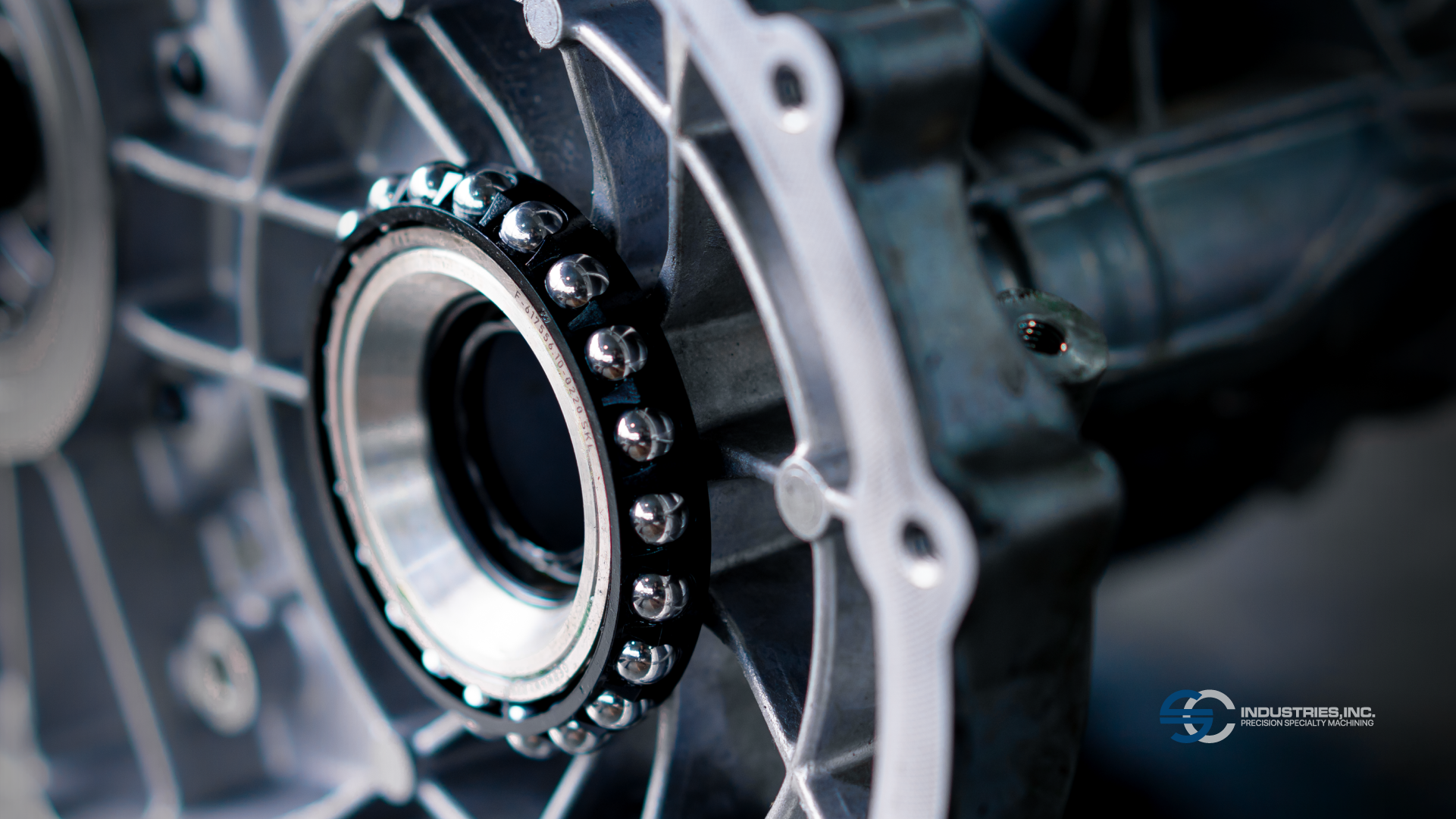
Key takeaways: Axial loads in heavy-duty machinery demand precision that catalog parts cannot guarantee. A custom thrust bearing is engineered to a specific application’s load, speed, and envelope, then machined, ground, and hardened to match – a process fundamentally different from pulling a generic component off a shelf. This behind-the-scenes look complements the broader guidance…
-
How to Select and Specify a Thrust Bearing
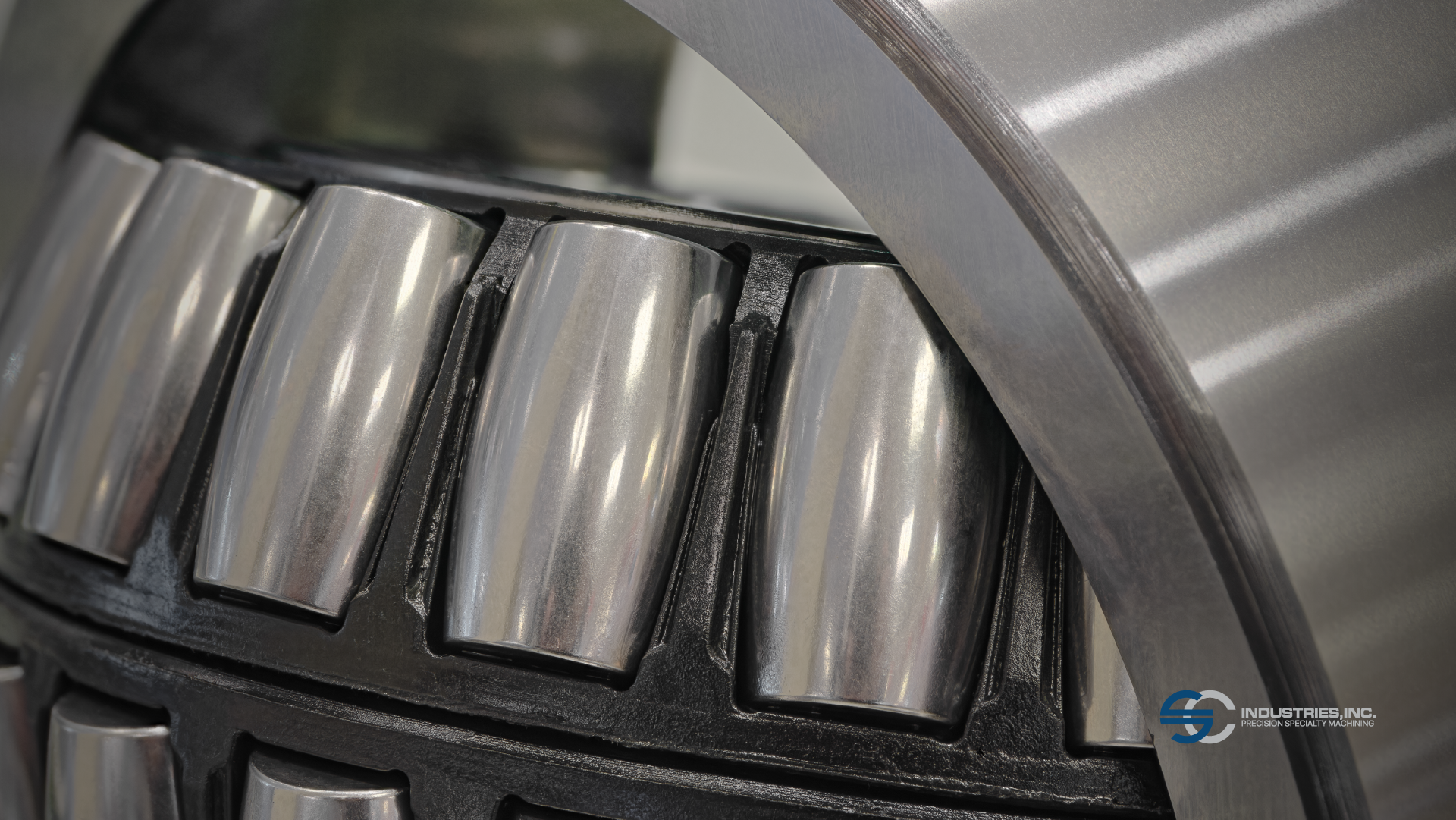
Key takeaways: Thrust bearing selection hinges on matching three critical variables – axial load, application environment, and tolerance – to your assembly’s specific demands. This is not a catalog lookup; it is an engineering decision that directly controls wear life, stability, and failure risk. This guide walks through the criteria that drive that decision, and…
-
What Causes Thrust Bearing Failure? Causes, Prevention and Material Selection
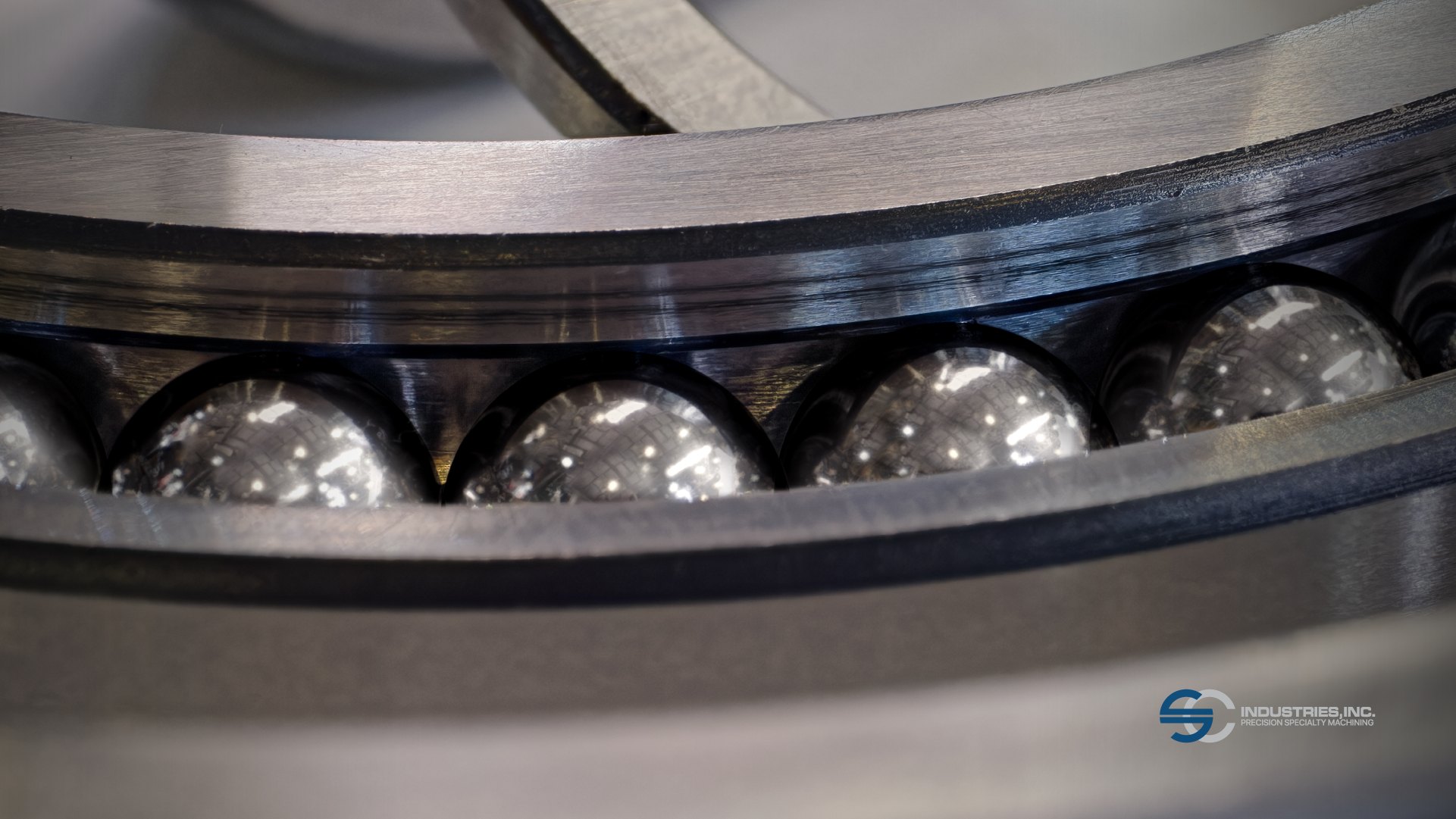
Key takeaways: Thrust bearings carry axial load across a comparatively small face, so every decision about material, hardness, and surface finish ultimately results in either a long service life or early distress. Failure is not random; it follows from specification drift, process shortcuts, or neglected maintenance. This article examines the failure modes a manufacturer can…
-
Plain Thrust Bearings: Washers, Sleeves, and Custom-Machined Components
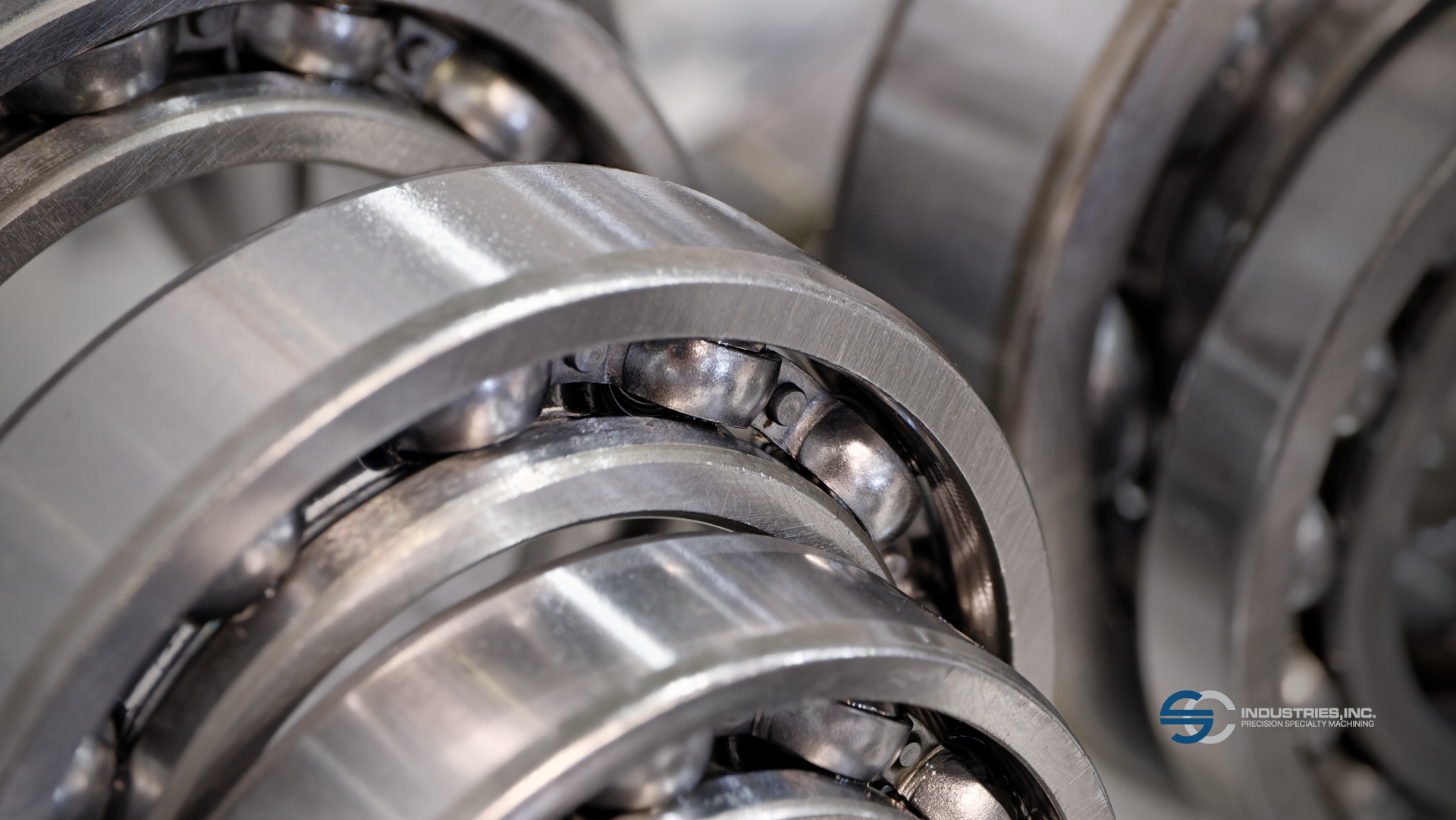
Key takeaways: Axial force is the thrust that pushes along a shaft rather than turning around it, demanding a bearing surface engineered to slide under load, not roll across it. Plain thrust bearings like washers, sleeves, and custom-machined components deliver that sliding-contact solution: hardened, ground steel parts that hold axial position and spread load across…
-
Oil-Grooved vs. Plain Thrust Washers: Does Your Application Need Grooving?
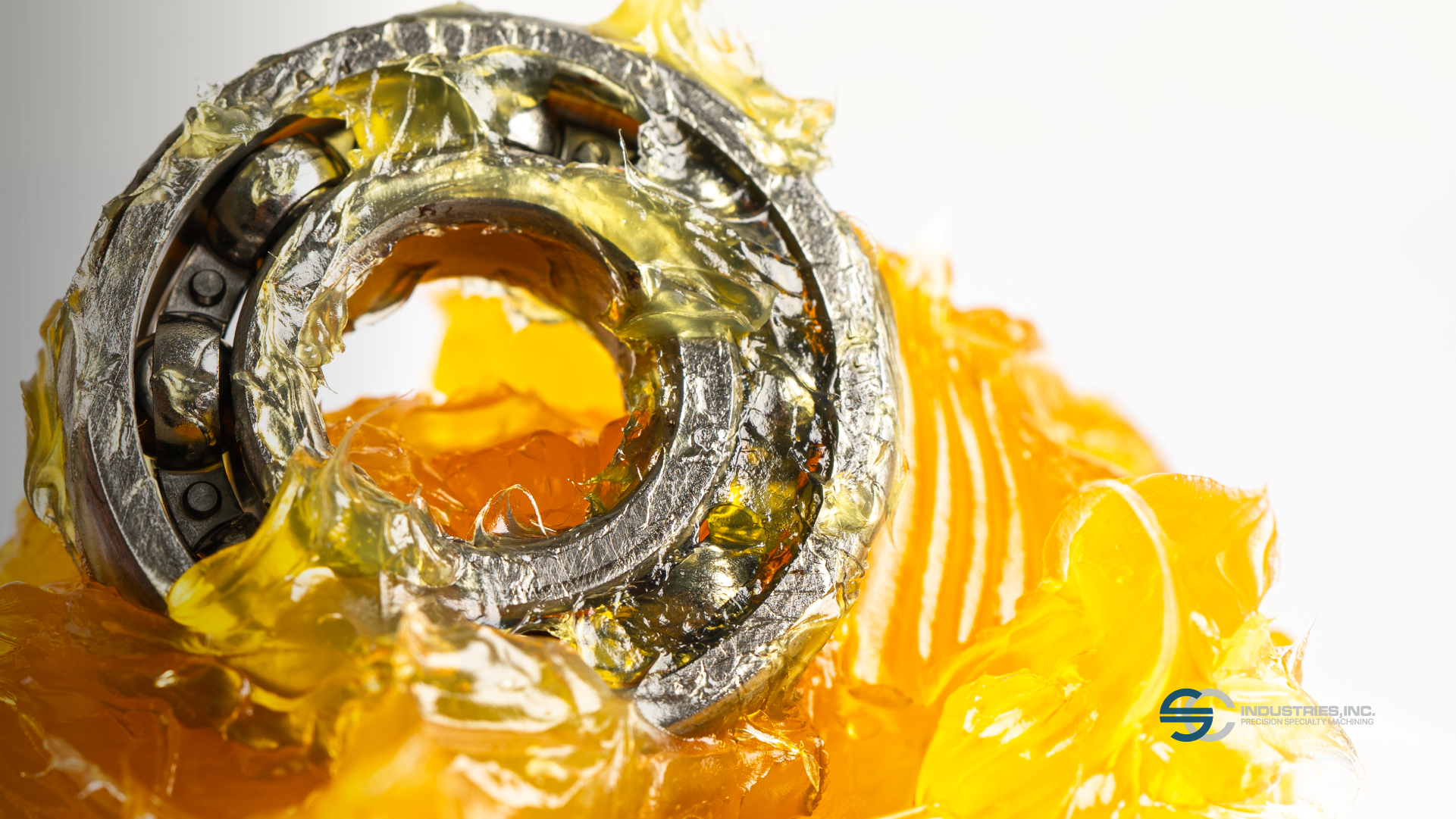
Key takeaways: Thrust washers sit at the intersection of load path and lubrication strategy. The decision to groove or leave a face plain determines how well a bearing survives high speed, heavy load, or continuous duty. Yet many engineers default to grooving without examining whether their application actually demands it. This look at Plain Thrust…
-
Plain (Washer-Style) vs. Rolling-Element Thrust Bearings: What’s the Difference?

Key takeaways: Unlike roller and ball bearings, which are susceptible to brinelling and surface fatigue under high impact, lateral loading, or vibration, precision bushings and plain thrust bearings distribute force across a larger surface area, significantly reducing localized stress and the risk of permanent deformation. This design advantage is critical for heavy-duty OEM applications where…
-
Thin-Wall Sleeve Bearings and Inner Races: Custom Machining Explained
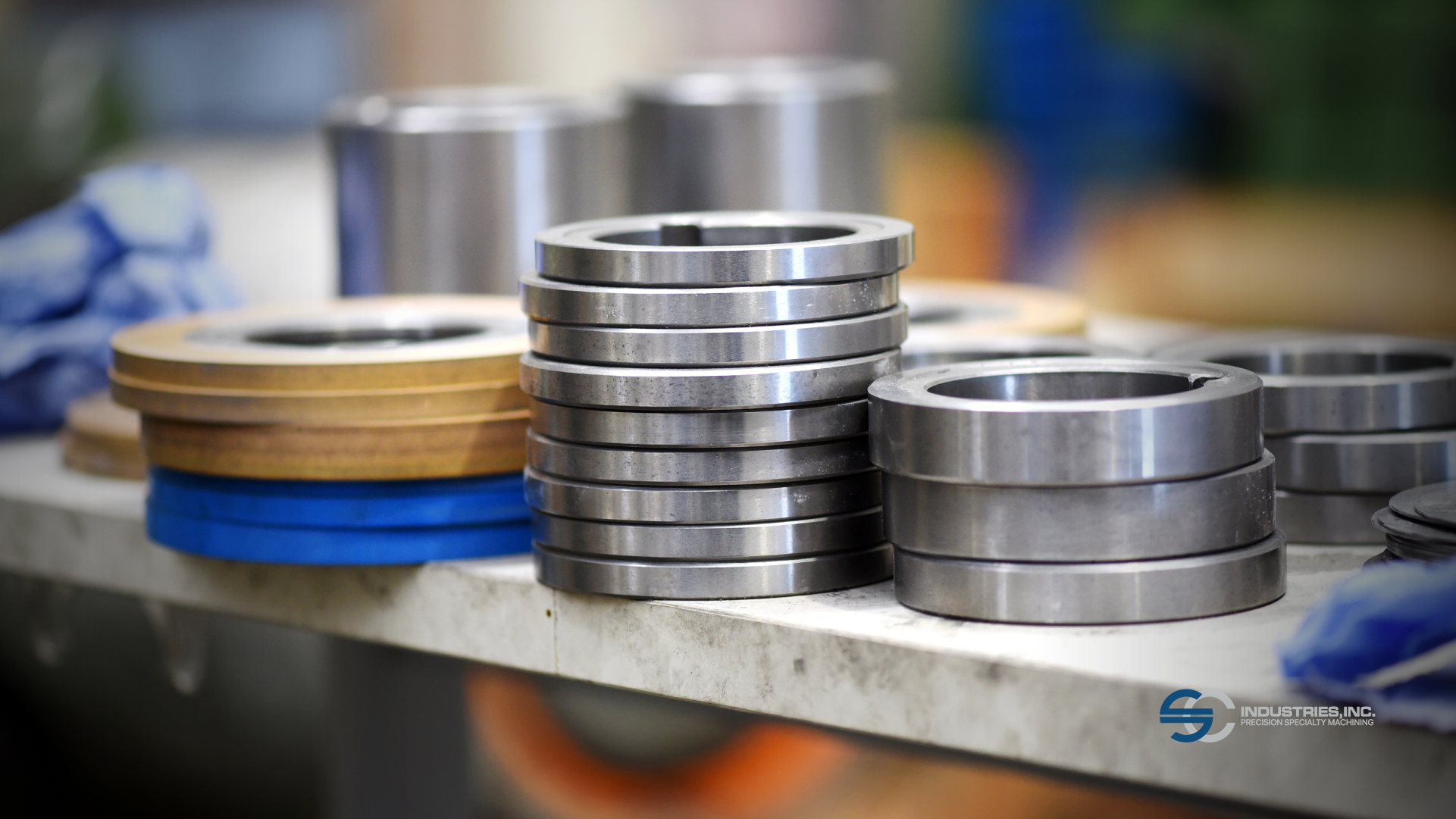
Key takeaways: Thin-wall sleeve bearings and inner races occupy a narrow manufacturing band where wall section, concentricity, and post-heat-treat stability collide. As the bore-to-wall ratio grows, ordinary machining assumptions break down; distortion, chatter, and roundness error conspire against tight tolerances. This article examines how carburizing, precision grinding, and disciplined metrology combine to produce components that…
-
Thrust Bearing Materials: Bronze vs. Steel
Key takeaways: The choice of thrust bearing material shapes how a component handles axial load, resists wear, tolerates marginal lubrication, and survives the shock and contamination of real service. When guiding OEM engineers through this trade-off in our Industrial Thrust Bearings article, we note that the right choice always depends on the specific application rather…
-
Bronze Thrust Bearings and Washers: A Buyer’s Guide
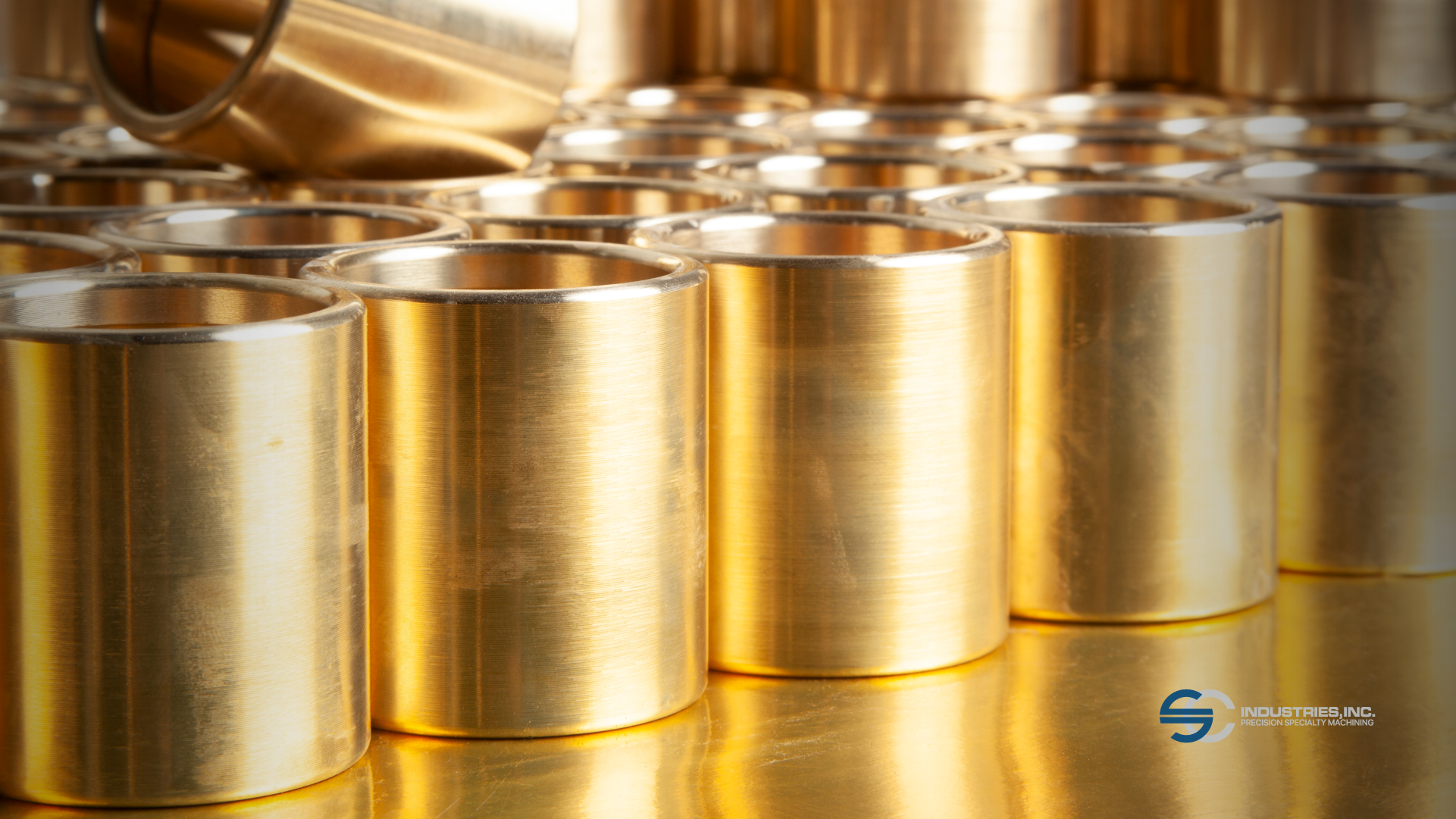
Key takeaways: Selecting the right axial-load component starts with the material, and bronze remains one of the most trusted choices for heavy-duty service. This Bronze Thrust Bearings and Washers: A Buyer’s Guide breaks down SAE grades, hardness trade-offs relative to steel, and the bronze-versus-brass decision engineers face on the shop floor. For a broader look…
-
Carburizing vs. Through Hardening: Heat Treatment for Bearing Components

Key takeaways: The metallurgical path from raw steel to a finished bearing component is narrow and unforgiving. Long before a thrust bearing or sleeve reaches assembly, choices about case depth, core toughness, and hardening method determine how it behaves under axial load, friction, and fatigue. Building on the guidance in Thrust Bearing Materials: Bronze vs.…
-
Choosing Bearing Materials for Corrosive Environments
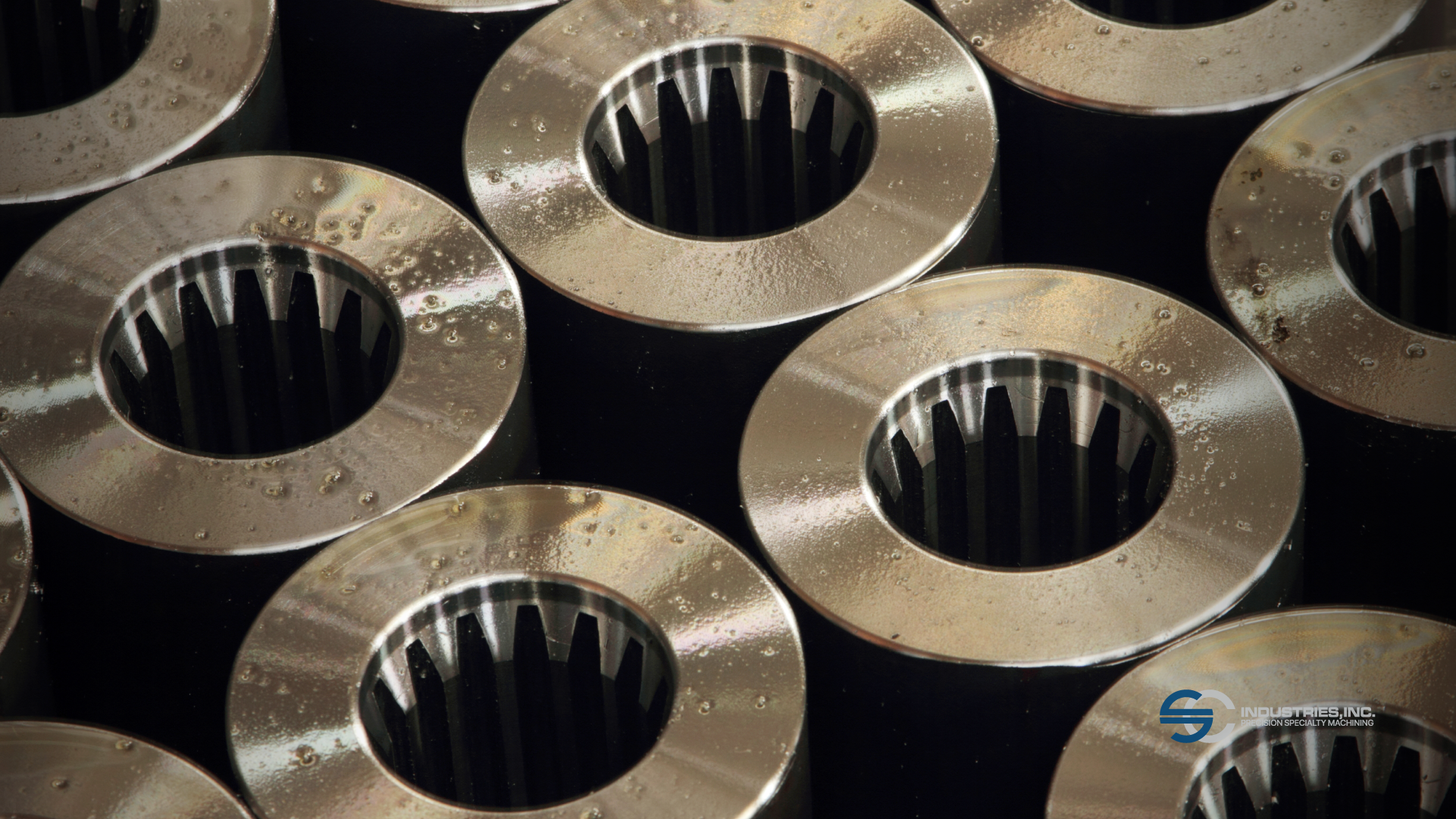
Key takeaways: A bearing exposed to seawater spray, acidic washdown, or high-temperature process fluid faces demands that standard bearing steel cannot reliably meet. Material selection shifts from a formality to a critical decision – the difference between a component lasting years and one that pits within months. Choosing Bearing Materials for Corrosive Environments requires a…
-
Sourcing Custom Thrust Bearings
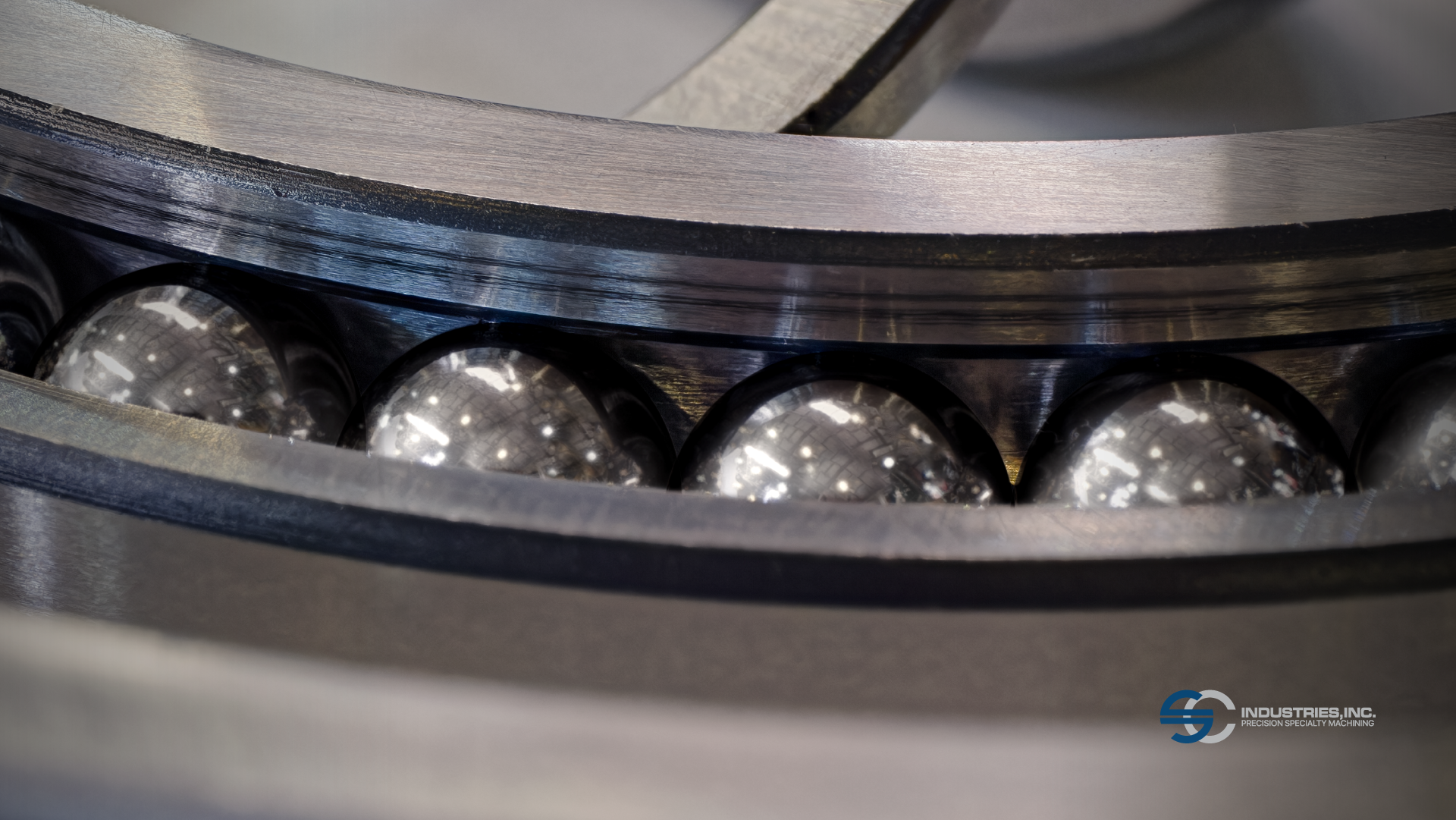
Key takeaways: Sourcing a custom thrust bearing means matching your print to a partner that can meet your material specification, tolerances, and delivery date. Unlike off-the-shelf catalog components, made-to-print thrust bearings are engineered around a specific axial load case, bore, and surface finish – a difference that reshapes how you evaluate suppliers, negotiate lead times,…
-
How to Choose a Thrust Bearing Manufacturer
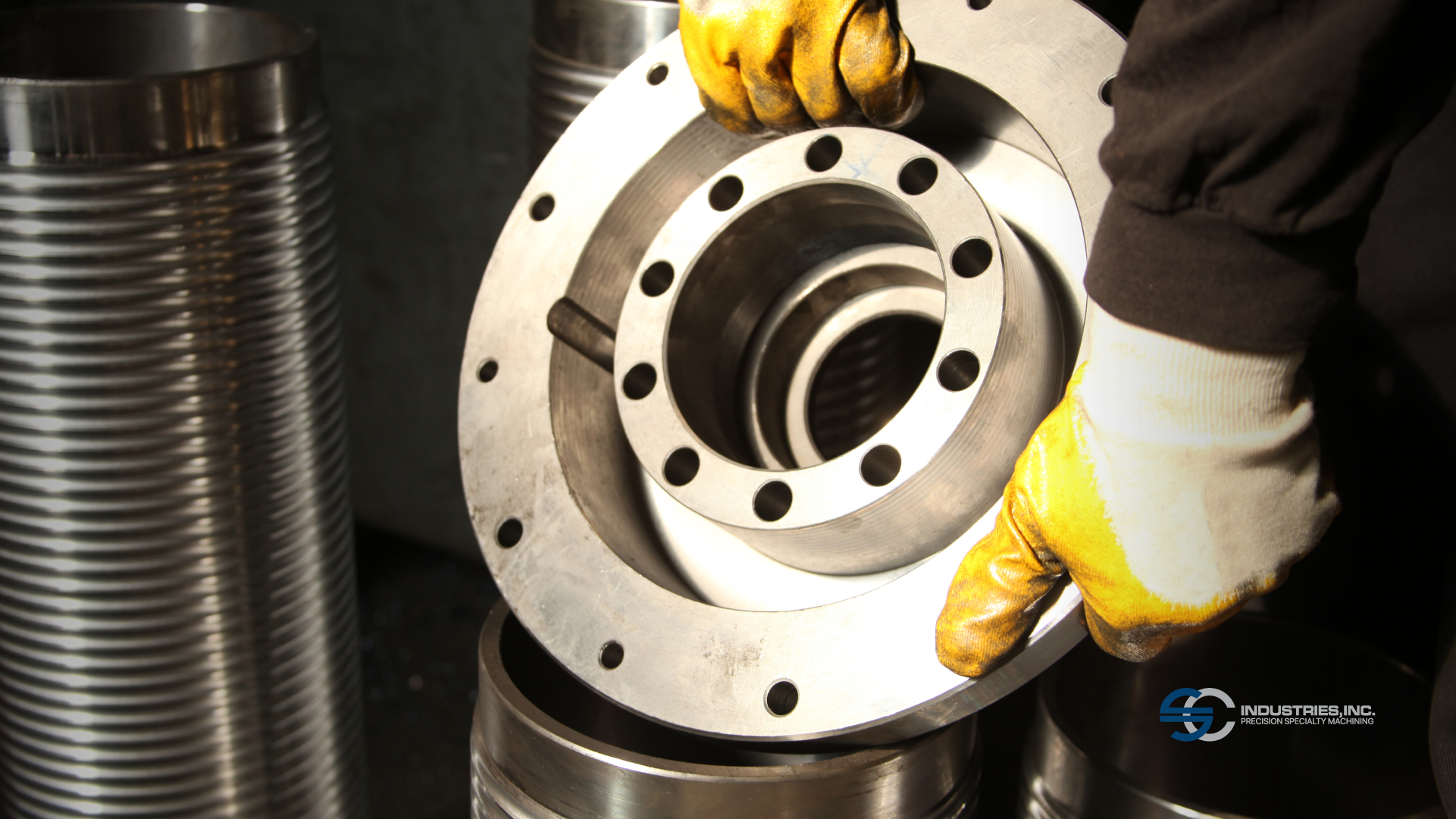
Key takeaways: Supplier selection for axial-load components determines whether your bearing performs reliably or fails prematurely; it is an engineering decision, not a procurement checkbox. Choosing a Thrust Bearing Manufacturer comes down to verifiable capability: machining tolerances, material expertise, and documented quality control. This guide builds on our overview of Sourcing Custom Thrust Bearings and…
-
Made in USA: The Case for Domestic Bearing Manufacturing
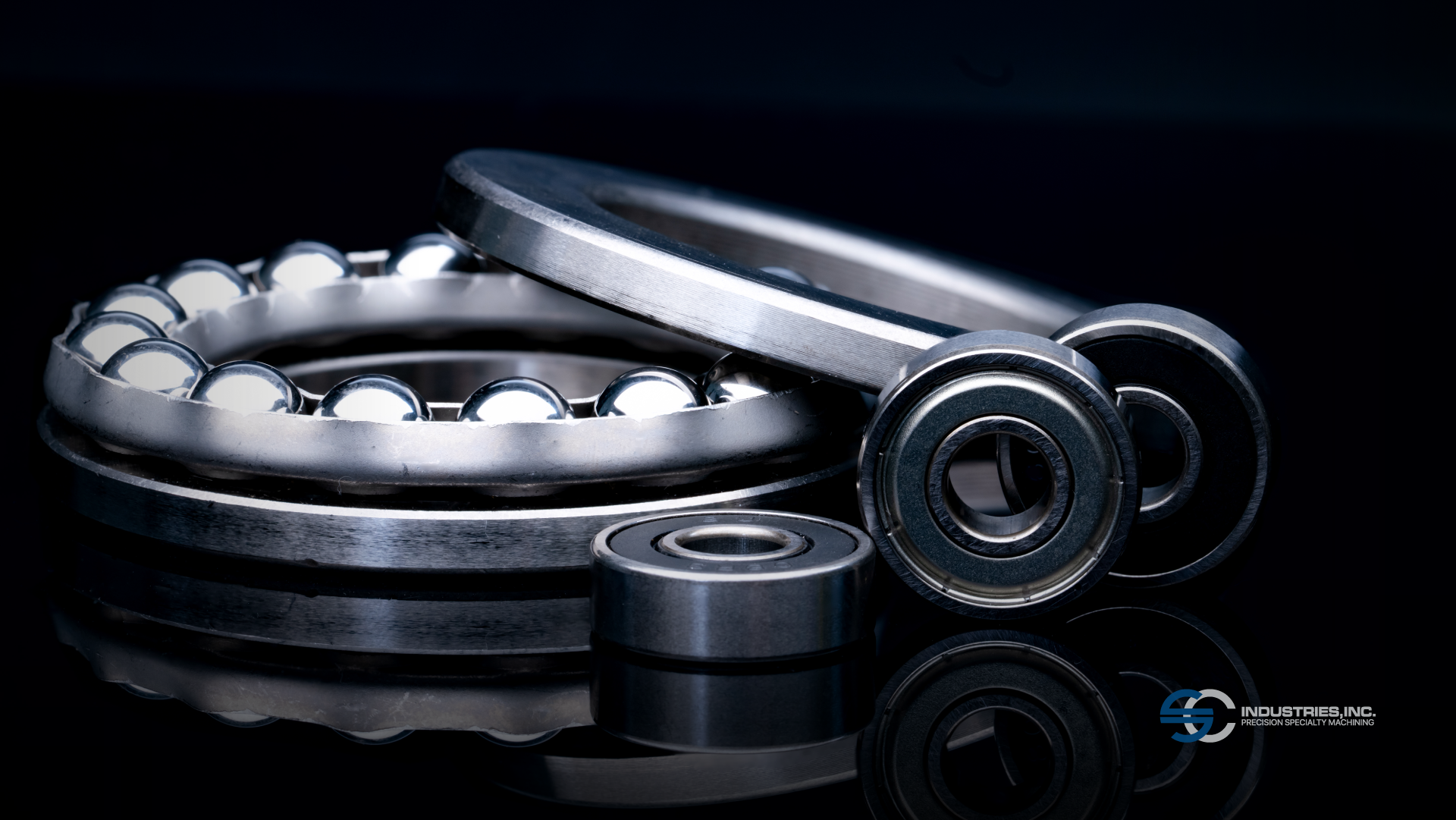
Key takeaways: Hardened thrust bearings carry real engineering weight on a loader axle or press ram, and the country stamped on the packing slip reflects choices that ripple through lead time, tolerance control, and accountability. Domestic sourcing collapses the distance between the print and the part, and between the two people responsible for both. This…
-
What Do Thrust Bearings Cost?
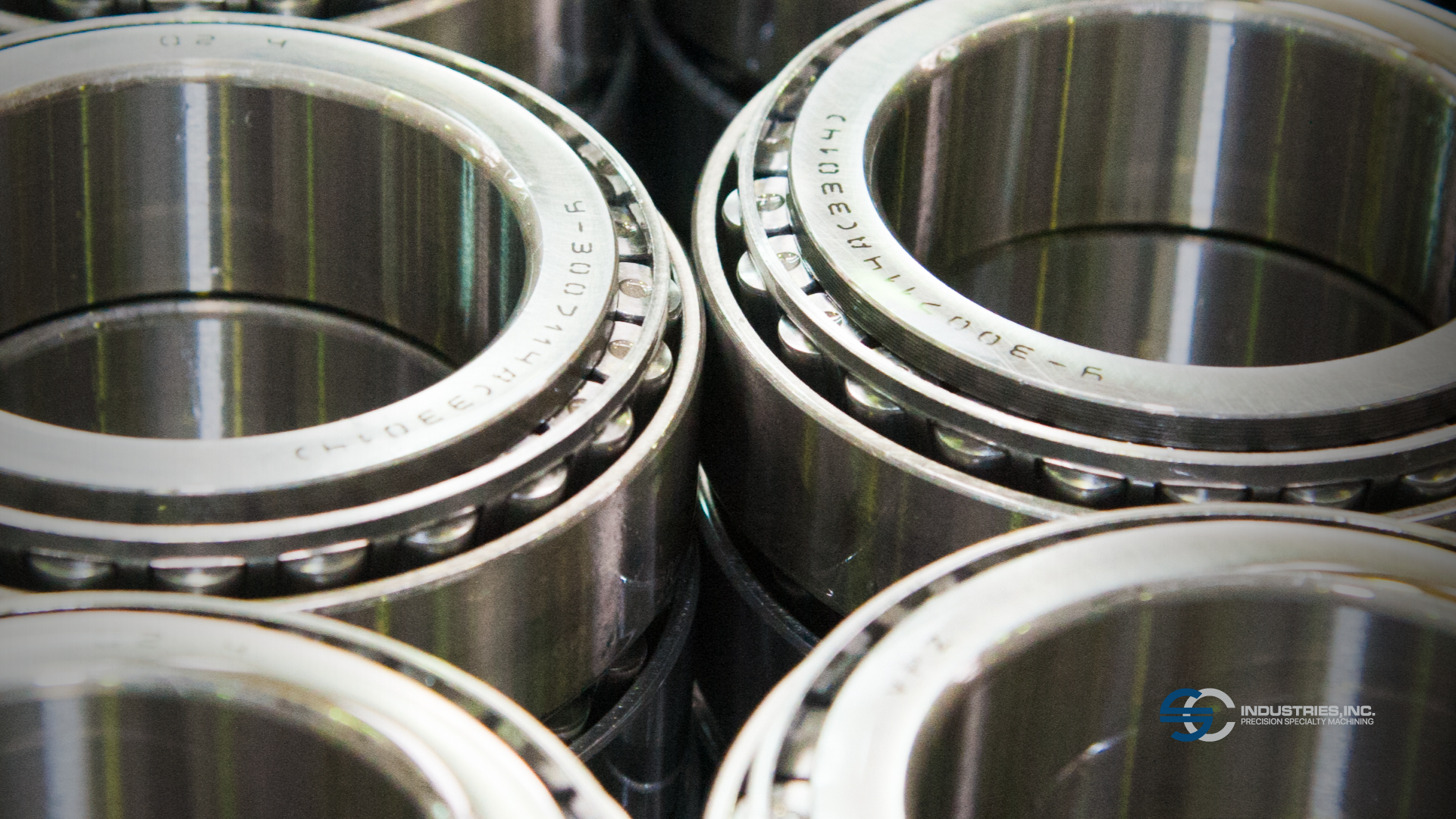
Key takeaways: When you request three quotes for the same thrust bearing, you will likely get three different prices. However, unit price alone masks the real drivers of cost. The final figure depends on material selection, tolerance class, surface finish, order quantity, and tooling investment, all of which shift the economics long before a part…
Industrial Thrust Bearings
We have manufactured precision hardened metal bushings for over 75 years— serving many industrial markets, including:
- Off Highway Construction
- Mining
- Transportation Transit Systems
- Hydraulics
- Printing Presses
- Material Handling
- Plastic Injection Molding
- Lamp Glass Lighting
- Packaging
- Machinery and Equipment
- Machinery Rebuilders
- Tooling