


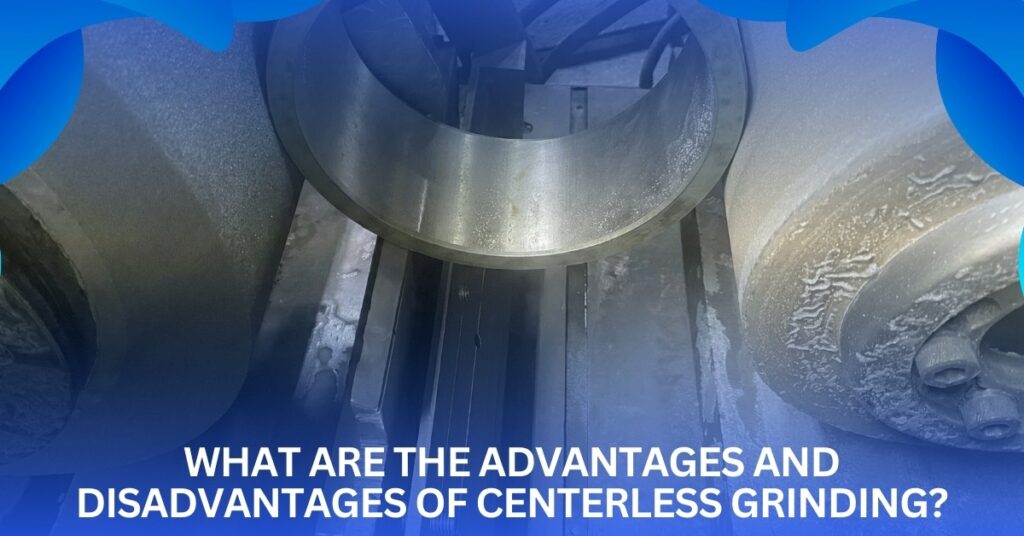
Centerless grinding is a highly efficient machining process that has gained popularity in various manufacturing sectors. As industries strive for precision and productivity, an awareness of the advantages and limitations of centerless grinding is essential for selecting the most appropriate machining method.
In this article, we will explore the different types of grinding machines, compare surface and cylindrical grinding, and examine the pros and cons of centerless grinding. Additionally, we will discuss suitable grinding wheels for carbide, the mechanics of centerless grinding, and the importance of surface grinding speeds and feeds.
What are the types of grinding machines?
Grinding machines come in various forms, each tailored to specific applications. The four main types of grinding machines include:
- Centerless Grinders: Ideal for high-volume production, centerless grinders allow for continuous operation without the need for a workholding device, making them highly efficient.
- Surface Grinders: These machines are used for flat surfaces, providing a smooth finish on materials. They are suitable for producing parts with precise dimensions.
- Cylindrical Grinders: Designed for external and internal cylindrical surfaces, these grinders excel in achieving tight tolerances and are often used for shafts and rods.
- Tool & Cutter Grinders: These are specialized machines used for sharpening and shaping cutting tools, ensuring they maintain optimal performance.
Each type of grinding machine has its unique advantages and applications, catering to various machining needs. Understanding these types of grinding processes is essential for selecting the right equipment and achieving the required precision for your manufacturing tasks.
What is the difference between surface grinding and cylindrical grinding?
Surface grinding and cylindrical grinding are two distinct processes, each with its own set of applications and outcomes. Here are the key differences:
- Application:
- Surface Grinding: Primarily used for flat surfaces, making it ideal for parts that require a smooth finish.
- Cylindrical Grinding: Focuses on external and internal cylindrical surfaces, suitable for components like shafts.
- Precision:
- Surface Grinding: Offers high precision for flat surfaces, with tolerances often in the micrometer range.
- Cylindrical Grinding: Also achieves tight tolerances, but is more complex due to the geometry of the workpiece.
- Outcomes:
- Surface Grinding: Results in a smooth, flat surface.
- Cylindrical Grinding: Produces cylindrical components with precise diameters and finishes.
Understanding these differences helps manufacturers choose the appropriate grinding method based on their specific needs.
What are the pros and cons of centerless grinding?
Centerless grinding offers several advantages and disadvantages that are important to consider:
Advantages:
- High efficiency: Centerless grinding allows for continuous operation without workholding, significantly increasing production rates.
- Precision: This method provides high accuracy and consistency in part dimensions.
- Reduced setup time: The absence of a workholding device simplifies the setup process, allowing for quick changeovers.
- Versatility: Centerless grinding can accommodate a wide range of materials, including metals and plastics, making it suitable for diverse applications.
Disadvantages:
- Limitations in part size: Centerless grinding is not suitable for very large or heavy parts due to the constraints of the machine.
- Complexity of part shapes: Parts with intricate geometries may not be successfully processed using this method.
- Dependency on material: The efficiency of centerless grinding can vary depending on the material being processed.
- Surface finish requirements: While centerless grinding is efficient, it may not always achieve the desired surface finish for certain applications without additional processes.
In all cases it is essential to weigh these pros and cons against your specific machining requirements.
What type of grinding wheel for carbide?
When grinding carbide materials, selecting the right grinding wheel is essential for optimal performance. Suitable grinding wheels for carbide include those designed for extreme hardness and abrasion resistance, such as:
- Diamond Wheels: These are the preferred choice for carbide due to their hardness and ability to maintain a sharp edge.
- Cubic Boron Nitride (CBN) Wheels: While less common, CBN wheels can also be efficient for specific carbide applications.
Grinding Wheel Loading
Grinding wheel loading occurs when material builds up on the wheel surface, negatively impacting performance. To mitigate this, it’s essential to select the correct wheel and ensure proper coolant application to maintain grinding efficiency. Additionally, using a wheel with an appropriate bond type can enhance the wheel’s performance and longevity.
How does centerless grinding work?
Centerless grinding operates on a unique principle that sets it apart from other grinding methods. The process involves two wheels: a grinding wheel and a regulating wheel. The workpiece is positioned between these wheels, which rotate at different speeds. This configuration allows for continuous rotation and movement of the part without the need for a workholding device.
Centerless Grinding Center Height Formula
Critical to centerless grinding is the centerless grinding center height formula, which determines the optimal positioning of the workpiece relative to the grinding and regulating wheels. Accurate height settings are responsible for maintaining roundness, minimizing chatter, and ensuring consistent part quality. Also, maintaining the correct center height can minimize wear on the grinding wheel and improve overall process efficiency.
What are surface grinding speeds and feeds?
Surface grinding speeds and feeds are vital parameters that influence the efficiency and quality of the grinding process.
- Speeds: Refers to the rotational speed of the grinding wheel. Higher speeds can lead to faster material removal but may also increase heat generation.
- Feeds: Indicates the rate at which the workpiece is fed into the grinding wheel. Proper feed rates are essential to balance material removal and surface finish. Additionally, understanding the relationship between wheel speed and feed rate can help optimize the grinding process for different materials and desired outcomes.
Understanding these factors is essential for optimizing surface grinding operations and achieving best results.
Conclusion
Centerless grinding stands out as a highly efficient and precise machining method, particularly suited for high-volume production. By understanding its advantages and limitations and the various grinding machines and processes available, manufacturers can make informed decisions that enhance their production capabilities.
Are you ready to elevate your machining processes? Contact Us for expert insights, tips, and the latest industry trends to help you harness the benefits of centerless grinding and other machining methods. Stay ahead of the curve!